
The Ultimate Guide to 9mm Ammo: Ballistic Breakdowns, Best Loads, and Hidden Power
The 9mm round generates over 35,000 PSI of chamber pressure, yet its recoil remains manageable enough for rapid follow-up shots. This cartridge’s jacketed hollow-point designs expand violently on impact, transferring maximum energy while reducing over-penetration risks. For self-defense or target practice, its flat trajectory and proven terminal ballistics make the 9mm the undisputed standard for stopping threats and honing accuracy.
What Makes the 9mm Luger the Most Popular Handgun Cartridge Today
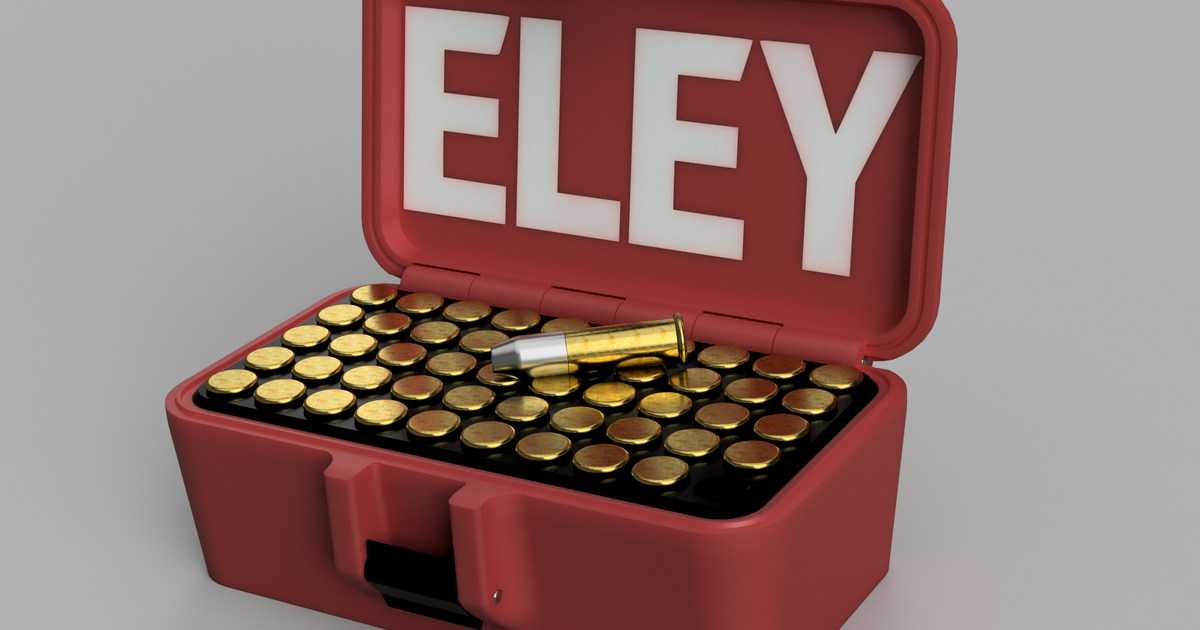
The 9mm Luger’s reign as the top handgun cartridge comes down to a perfect balance of shootability and power. For most folks, 9mm ammo offers manageable recoil, letting you get back on target fast for accurate follow-up shots, which is huge for both new shooters and seasoned pros. It also packs enough punch for serious self-defense, yet it’s gentle enough on your hands and your wallet compared to bigger calibers. The sheer variety of 9mm ammo—from light target loads to hot defensive hollow points—means one gun can do it all, from range day to nightstand duty. That versatility is why it’s everywhere. Why do so many choose it over .45 ACP? Simply put, you can shoot more, shoot tighter, and carry more rounds without giving up stopping power, and that’s a trade-off most people happily make.
Why the 9mm’s Recoil, Magazine Capacity, and Stopping Power Balance Works for Most Shooters
The 9mm’s popularity hinges on a practical triad: its recoil is stout enough for reliable cycling yet mild enough for rapid follow-up shots, which directly supports shot placement under stress. This manageable impulse allows manufacturers to design double-stack magazines that typically hold 15–18 rounds, offering a significant capacity advantage over .45 ACP without the bulk that hinders concealment. Meanwhile, modern jacketed hollow points achieve penetration depths of 12–18 inches in ballistic gel, matching heavy-caliber stopping power for defensive scenarios. This balance works because most shooters can train effectively with 9mm, maintaining accuracy and speed, while the capacity provides a buffer against multiple threats. The cartridge’s synergy—controllable recoil, high round count, and adequate terminal effect—creates a system where skill development is realistic and performance is predictable.
Q: Why does the 9mm’s recoil, magazine capacity, and stopping power balance work for most shooters?
A: Because the recoil is low enough to preserve sight alignment during rapid fire, the high capacity compensates for any individual shot’s marginal stopping power, and hollow-point loads deliver sufficient penetration to incapacitate, making the combination effective .35 Remington Ammo for Sale for average users who cannot manage heavier recoil or sacrifice round count.
How the Short Case Design Feeds Reliably in Semi-Automatic Pistols
The 9mm Luger’s short, tapered case is a masterclass in reliable feeding for semi-automatic pistols. Because the cartridge is compact, it aligns quickly and smoothly from the magazine’s staggered stack into the feed ramp, minimizing the angle of entry. This straight-forward geometry reduces the likelihood of nose-diving or rim-lock, two common malfunctions in longer or sharp-shouldered rounds. The gentle taper of the case wall also promotes effortless extraction and chambering, even under rapid cycling. Ultimately, this design ensures consistent, flawless feeding under recoil stress, which is why the round functions so predictably across a vast array of pistol platforms, from compact carry guns to full-size competition models.
Full Metal Jacket vs. Jacketed Hollow Point: Which Bullet Type Fits Your Goal
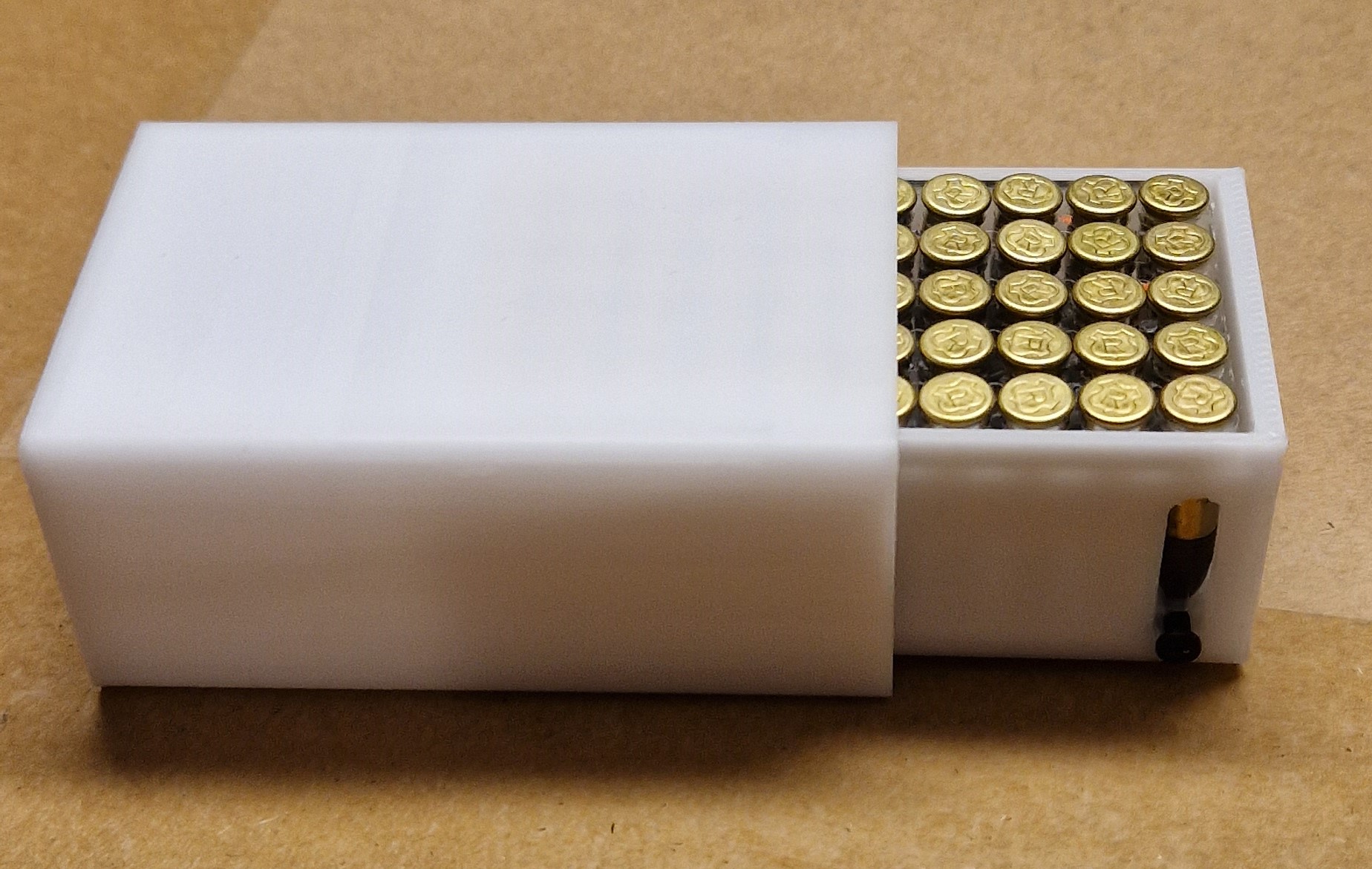
You’re loading your 9mm for a purpose, and that purpose decides everything. Choose Full Metal Jacket (FMJ) for practice and target work—its solid brass or copper envelope feeds flawlessly, penetrates cleanly through paper, and keeps costs low for high-volume range sessions. But when your goal shifts to self-defense, FMJ’s predictable over-penetration becomes a liability in tight spaces. That’s where Jacketed Hollow Point (JHP) earns its place: the hollow cavity expands on impact, dumping energy into soft tissue while reducing the risk of exiting through walls. The real trade-off is reliability—JHPs can occasionally snag on feeding ramps in compact 9mms, but modern designs have closed that gap.
Your 9mm’s job is simple: train with FMJ so your JHP hits exactly Ammunition for Sale where you intend when it matters.
Match the bullet to the moment—targets versus threats—and you’ll never waste a round.
When to Use FMJ for Range Training, Practice Drills, and Cost Savings
For 9mm shooters prioritizing volume, FMJ is the optimal choice for range training and practice drills because its copper jacket prevents lead fouling in the 6.5x57R Ammo for Sale barrel, allowing extended sessions without cleaning interruptions. Repeated draw-and-fire drills and malfunction clearances benefit from FMJ’s consistent feed reliability in tight chambers, reducing stoppages that waste range time. Cost-wise, FMJ typically runs 20–40% cheaper per round than JHP, enabling twice the repetitions for the same budget—critical for building muscle memory. Reserve JHP for periodic function checks or carry validation, but rely on FMJ for the majority of your dry-fire-to-live-fire transition work, shot timers, and accuracy drills.
How JHP Expands on Impact for Self-Defense and Personal Protection
When a 9mm JHP strikes soft tissue, its hollow nose plugs with debris, creating hydraulic pressure that forces the bullet’s jacket to peel back into a wider mushroom shape. This expansion increases the temporary cavity’s diameter dramatically, transferring kinetic energy faster than a rigid FMJ, which tends to drill straight through. For self-defense, this means the round’s expanded frontal surface area maximizes tissue disruption while reducing over-penetration risk in a home environment. A JHP that fails to expand—due to clothing or low velocity—behaves like a full metal jacket, so choosing a load with proven gel performance matters. Ultimately, expansion converts the 9mm’s modest energy into a larger wound channel, improving stopping potential against a .338 Lapua Ammo for Sale determined threat without sacrificing controllable recoil.
How to Read 9mm Ammo Boxes: Grain Weight, Velocity, and Pressure Ratings
Reading a 9mm ammo box starts with the grain weight, typically 115, 124, or 147 grains—this tells you the bullet’s mass and directly impacts recoil and bullet drop. Next, check the velocity, usually listed in feet per second (fps); a 115-grain load at 1,180 fps feels snappier, while a 147-grain subsonic round at 950 fps is quieter with a suppressor. Pressure ratings are stamped via the SAAMI specification, often abbreviated as “9mm Luger” or “+P” for higher pressure loads, but only fire +P in guns explicitly rated for it.
Match the grain to your firearm’s twist rate and your intended use—lighter grains for target shooting, heavier grains for defense—while respecting pressure limits to avoid frame damage.
Always verify the velocity range for consistency, as longer barrels add 50–100 fps over the listed test barrel data.
What 115, 124, and 147 Grain Loads Do Differently in Recoil and Accuracy
In 9mm, grain 6.5x57mm Mauser Ammo for Sale weight directly shapes felt recoil and practical accuracy. A 115-grain load, being lighter, produces a snappier, sharper impulse with higher peak pressure, which can feel harsher but often cycles quickly in compact guns. The 124-grain round sits as a balanced midpoint, offering a firmer, more linear push that many shooters find easier to track through the sights, yielding consistent shot placement. Heavier 147-grain subsonic loads deliver a slower, softer, rolling recoil that minimizes muzzle flip. For accuracy, the sequence is: 1) 115-grain favors fast sight reacquisition but amplifies shooter error; 2) 124-grain provides the best compromise for follow-up precision; 3) 147-grain rewards a steady grip, reducing perceived disturbance but requiring more arc compensation at distance.
Understanding +P and +P+ Loads Without Damaging Your Pistol
Understanding +P and +P+ loads means recognizing they operate at higher chamber pressures than standard 9mm, so your pistol’s tolerance dictates safe use. +P ammunition runs about 10% hotter, while +P+ has no industry standard and varies wildly by maker, making it a gamble for durability. Check your manual for an explicit “+P rated” stamp; if absent, stick to standard pressure to avoid accelerated frame wear or premature locking-block failure. For +P+, only fire it through modern, fully supported-chamber pistols designed for law-enforcement use, and inspect your brass for bulging or cracks after each session. Verifying your firearm’s pressure rating is the single safeguard against cumulative damage, so rotate +P+ sparingly and never as a daily carry round.
Choosing Between Brass, Nickel, Steel, and Aluminum Casings for Your Firearm
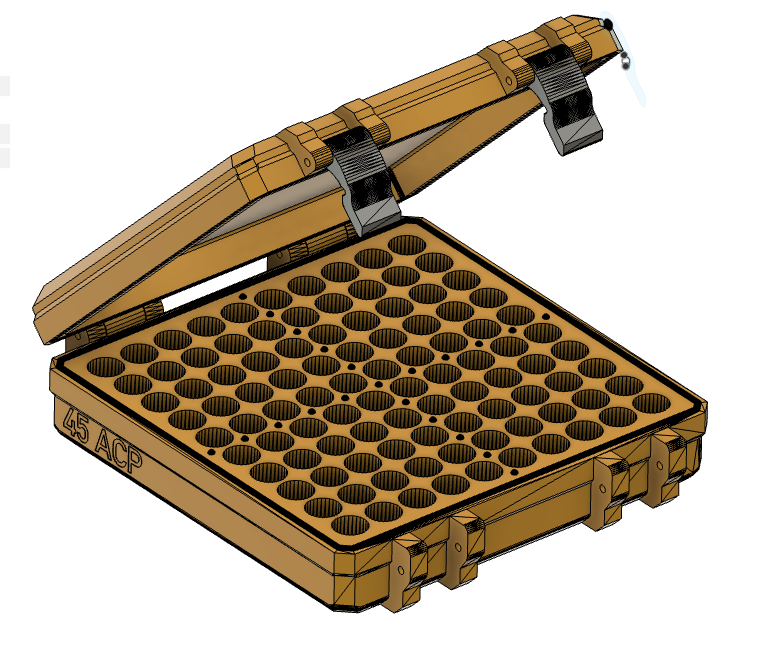
For 9mm ammo, brass remains the reloader’s gold standard—it’s malleable, seals chambers reliably, and stretches to fit your gun’s headspace perfectly. Nickel-plated brass, while pricier, offers smoother feeding in tight-action pistols and resists corrosion, making it ideal for carry loads that sit in a holster for months. Steel is your budget-friendly training round; its lacquered or polymer coating prevents rust, but it wears extractors faster and won’t reload well. Aluminum casings are lightweight and cheap, yet they expand on firing, making them strictly single-use—fine for range plinking, but ejection can feel weak in some subcompacts. If you shoot a lot, brass pays off long-term; if you just want to burn through boxes, steel works.
Quick Q&A: Should you mix casing types in a magazine? No—steel and aluminum can cause unreliable feeding when stacked with brass due to slight dimensional variances, so load each type separately for consistent cycling.
Why Brass Casings Offer the Best Reloadability and Chamber Seal
Brass casings excel in reloadability because the alloy’s inherent ductility allows repeated resizing and expansion without work-hardening to the point of cracking, unlike steel or aluminum which fatigue rapidly. This malleability also delivers a superior chamber seal: upon ignition, brass obturates—expanding under pressure to hug the chamber walls—creating a gas-tight .32 Win Special Ammo for Sale lock that prevents blowback and soot fouling. Aluminum cannot match this elasticity, and steel’s stiffness sacrifices seal integrity. Brass’s yield strength is tuned to spring back slightly after firing, ensuring smooth extraction while maintaining consistent case dimensions across multiple load cycles, a critical trait for precision 9mm reloads. Consequently, every reloaded round retains reliable headspace and neck tension, minimizing case separations and maximizing ballistic uniformity in your firearm.
Saving Money with Steel or Aluminum Cases Without Sacrificing Function
For 9mm shooters prioritizing budget, steel- and aluminum-cased ammunition delivers reliable function at a fraction of brass’s cost. Steel cases, often polymer-coated, resist corrosion and feed reliably in most modern handguns, though they may wear extractors faster and cannot be reloaded. Aluminum cases are lighter and cheaper than steel, with a smooth surface that cycles well in Glocks and CZs, but their softer walls can deform in tight chambers during hot loads. Both options sacrifice reloadability, yet for range practice, this trade-off is irrelevant—buy in bulk, shoot, and discard. Functionally, the savings only hold if your firearm tolerates these cases, so test a box of each before committing to a case. Stick to standard-pressure loads to avoid stuck cases, and clean your chamber slightly more often. For pure plinking, you retain velocity and accuracy while cutting per-round costs by 20–40%.
Best Practices for Storing, Inspecting, and Rotating Your 9mm Supply
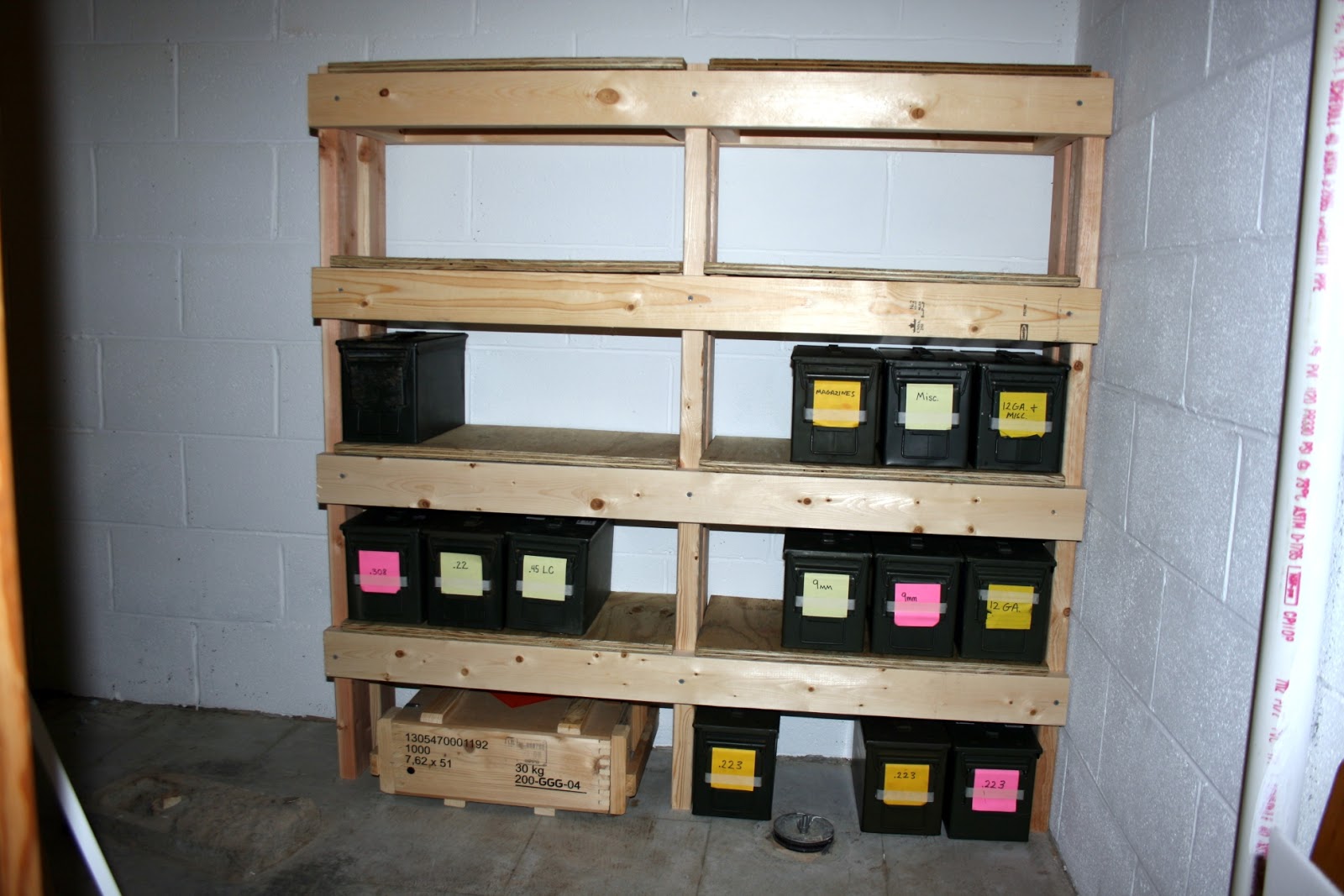
Store 9mm ammo in a cool, dry, low-humidity environment—ideally below 75°F—inside sealed, original factory boxes or airtight military-style ammo cans with desiccant packs. Avoid loose bulk storage, which invites primer damage and corrosion. Inspect every cartridge before loading: check for tarnished cases, deeply seated or missing primers, and cracked necks. Reject any round with a bullet that moves or spins under finger pressure. Rotate by date, placing older boxes at the front of your supply and shooting them first.
Write the lot number and purchase month on each box, then fire the oldest stock quarterly to confirm function and prevent moisture-induced setback.
This cycle keeps your carry and range ammo reliable.
How to Prevent Corrosion and Misfires with Proper Humidity Control
To prevent corrosion and misfires in your 9mm supply, maintain a stable relative humidity between 30% and 50% inside your storage container. Use desiccant packs or a rechargeable dehumidifier to absorb ambient moisture, as high humidity oxidizes brass cases and primers, leading to propellant degradation and ignition failure. Follow this sequence:
- Place ammo in sealed, airtight military-grade cans with a rubber gasket.
- Add a humidity indicator card to monitor levels.
- Recharge or replace desiccants every three months.
Avoid temperature swings that cause condensation on cartridge surfaces; store in a cool, dark closet, not a garage. A hygrometer is essential for real-time accuracy, .32 ACP Ammo for Sale ensuring primers stay sensitive and powder burns cleanly.
Signs of Deterioration or Bad Primers to Look For Before Loading a Mag
Before seating a magazine, inspect each primer. **Bad primer signs include cratering, off-center strikes, or a flattened, pierced look** from prior firing. Reject rounds with primers sitting proud of the case head, which can cause slam-fires, or those recessed too deep, risking misfires. Check for corrosion—green or white crust 6.8 SPC Ammo for Sale around the primer pocket signals moisture damage that kills ignition reliability. Also, probe for primer sealant that’s cracked or missing, exposing powder to oil. If the primer cup feels soft or shows a dimple without a firing pin mark, discard it. A compromised primer is a click, not a bang, when you need it most.
Q: What is the most reliable sign of a bad primer before loading a mag?
A: Visible corrosion or verdigris around the primer pocket—this indicates chemical breakdown that will almost certainly cause a failure to fire under pressure.
Matching the Right 9mm Load to Your Barrel Length and Shooting Environment
Matching the right 9mm load to your barrel length is critical for terminal performance and reliability. In compact pistols with 3- to 3.5-inch barrels, unburned powder reduces velocity, so choose faster-burning, lighter-bullet loads like 115-grain JHPs to ensure adequate expansion. Conversely, a 5-inch duty barrel or a 16-inch PCC allows slower powders to fully combust, making heavier 124- or 147-grain subsonic rounds ideal for maximizing energy and suppressing noise. For an indoor range with hard backstops, select full-metal-jacket 9mm ammo to prevent over-penetration ricochets, while outdoor training in dusty or wet conditions demands a sealed primer and waterproof propellant to avoid hang-fires. Always test your chosen load at your specific barrel length, verifying point-of-impact shifts and feeding reliability before carrying it.
Short Barrel Penetration vs. Long Barrel Velocity for Compact and Full-Size Guns
In compact pistols, short barrel penetration often suffers because reduced velocity limits bullet expansion and wound https://specialtysportsandsupplyltd.com/ depth, especially with defensive hollow points. A 3-inch barrel typically yields 950–1050 fps, whereas a full-size 5-inch barrel pushes 1100–1200 fps with the same 9mm load. That extra velocity translates into deeper, more reliable penetration through clothing and barriers. However, short barrels can still achieve adequate penetration with heavier, hard-cast loads designed for lower velocity thresholds. Conversely, long barrels may over-expand fragile bullets, causing shallow penetration if the load is too hot for the velocity gain. Always verify your specific load’s ballistic gel data from your actual barrel length, not published full-size numbers.

Short barrels sacrifice velocity and penetration depth; long barrels increase both, but require testing to avoid over-expansion or bullet failure.
Outdoor and Indoor Range Considerations: Lead-Free Primers and Noise Levels
For indoor range considerations, the choice between standard and lead-free primers directly impacts air quality and your exposure to 6.5×55 Swedish Ammo for Sale toxic particulates. Lead-free primers, such as those using the SynTec compound, eliminate the majority of airborne lead created at the muzzle and from spent primers, making them the smarter choice for poorly ventilated indoor bays. Noise levels, however, remain a critical factor indoors; the reverberant environment amplifies perceived loudness, so hearing protection is non-negotiable regardless of primer type. Outdoors, lead-free primers reduce environmental contamination, but the open air disperses sound quickly, making muzzle blast less punishing. Prioritize lead-free loads for indoor training to protect your respiratory health, while recognizing that noise suppression indoors relies more on your ear pro than the ammunition itself.
- Lead-free primers prevent lead dust accumulation in indoor ventilation systems.
- Indoor echoing increases perceived noise, so double up on ear protection.
- Outdoors, lead-free loads minimize soil contamination around shooting benches.
- Match primer type to the facility’s air-handling capabilities for safer sessions.